

 Photography
 Music And Studio
 Mobile And Gadgets
 Computer And Electronics
 Fashion And Lifestyle
 Appliances
 Books And Stationery





Technology & Science
Apple’s First Foldable is Here – Was It Worth the Seven-Year Wait?
Sep
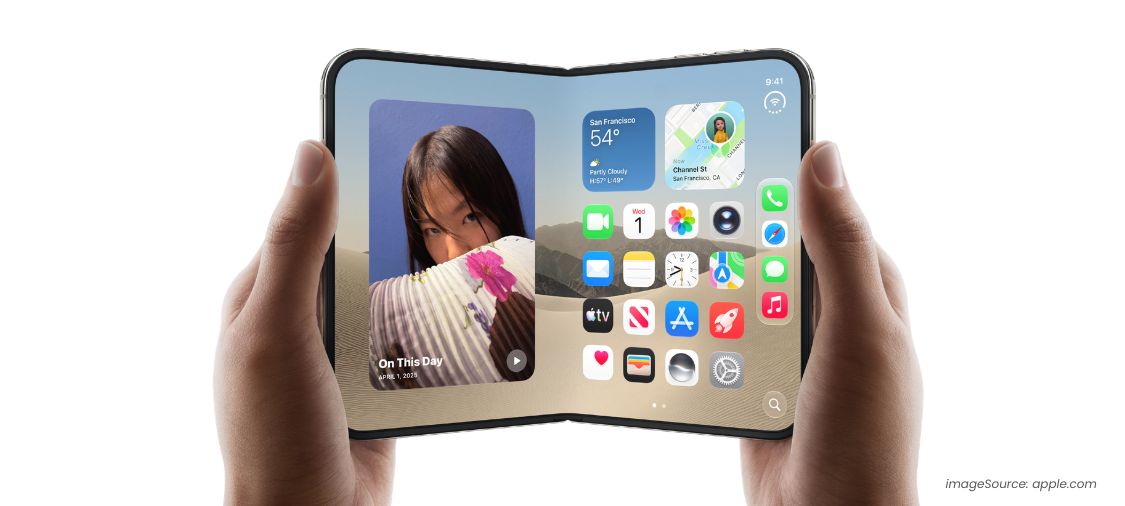
Samsung shipped its first folding phone in 2019. Huawei, Oppo, Honor, and Google followed over the next several years, each generation fixing a little more of what made early foldables feel unfinished — visible creases, weak hinges, poor water resistance. iPhone Duo is Apple‘s answer, arriving seven years into a category it chose to sit out until now. Apple’s own executives have been upfront about the wait: they didn’t want to ship something “half-finished” just to be early to the category.
The real question for a Bangladeshi buyer isn’t “is this a good phone.” At nearly ৳2,00,000+, it had better be. The real question is: does arriving late mean Apple actually solved the problems that made foldables a hard sell for six years, or is this just an iPhone-shaped version of a phone Samsung has been refining for eight generations?
The honest answer is a bit of both — and it depends heavily on what you’d actually use it for. Here’s the breakdown.
What Apple Actually Did Differently This Year?
- IP68 Water and Dust Resistance — A Genuine First for Apple, and a Real Gap It Closes
This is Apple’s strongest, most verifiable advantage. Samsung’s Galaxy Z Fold 8 is rated IP48 — water-resistant, but with no certified protection against dust, sand, or fine particles working their way into the hinge. iPhone Duo is rated IP68, the same standard as a normal iPhone: genuine dust sealing, plus resistance to submersion up to 6 meters for 30 minutes.
Worth noting: Google’s Pixel 10 Pro Fold got to IP68 first — Apple isn’t the pioneer here. But it is ahead of Samsung, the category leader, on this specific spec, and for a market like Bangladesh — dusty roads, monsoon season, rickshaw commutes — that’s not a trivial difference.
- Titanium Frame and Hinge Cover
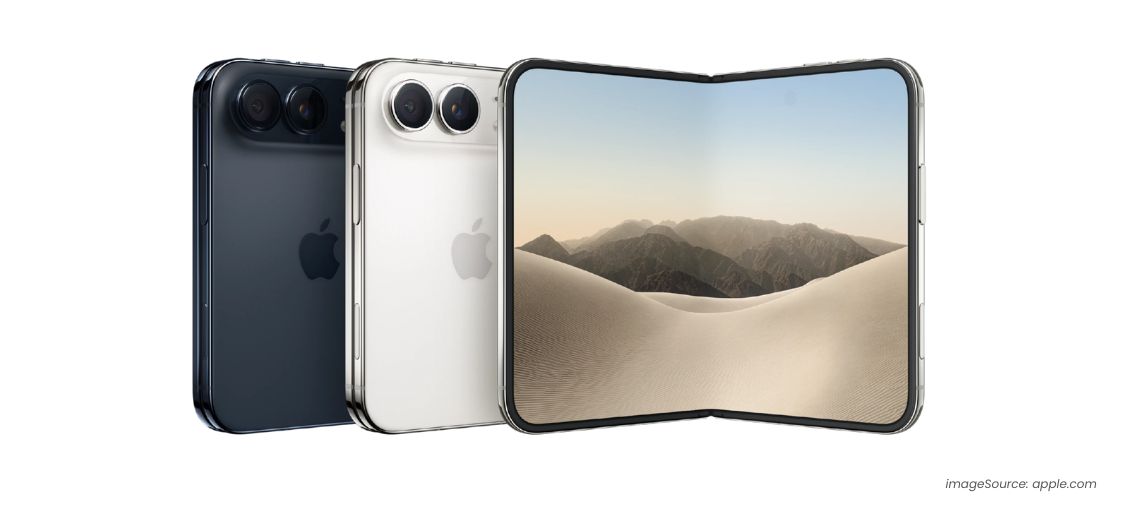
Grade 5 titanium throughout, including the hinge — built for a device that will be opened and closed dozens of times a day, in heat and humidity, for years, not just for a controlled lab demo.
- A Real Attempt at Killing the Crease
Apple built a custom nano-texture finish and multilayer lamination specifically to reduce the visible fold line that’s been foldables’ most consistent complaint since 2019. This isn’t unique to Apple — Oppo’s Find N6 already has a near-invisible crease, and Samsung is reportedly chasing the same result for the Fold 8 — but it shows Apple didn’t treat the crease as an acceptable trade-off to ship around.
- Apple Pencil Support — On an iPhone, for the First Time Ever
Steve Jobs famously said there would never be a stylus on an iPhone. iPhone Duo breaks that rule (support arrives later this year) — a genuinely new capability for the platform, not just a foldable-category catch-up feature borrowed from Samsung’s S Pen.
- Under-Display FaceTime Camera
The inner screen’s front camera is hidden beneath the display itself rather than sitting in a cutout or notch — giving an unbroken viewing surface that most current foldables, including the Fold 8, don’t match.
- Reimagined iOS, Not Just a Bigger iPhone
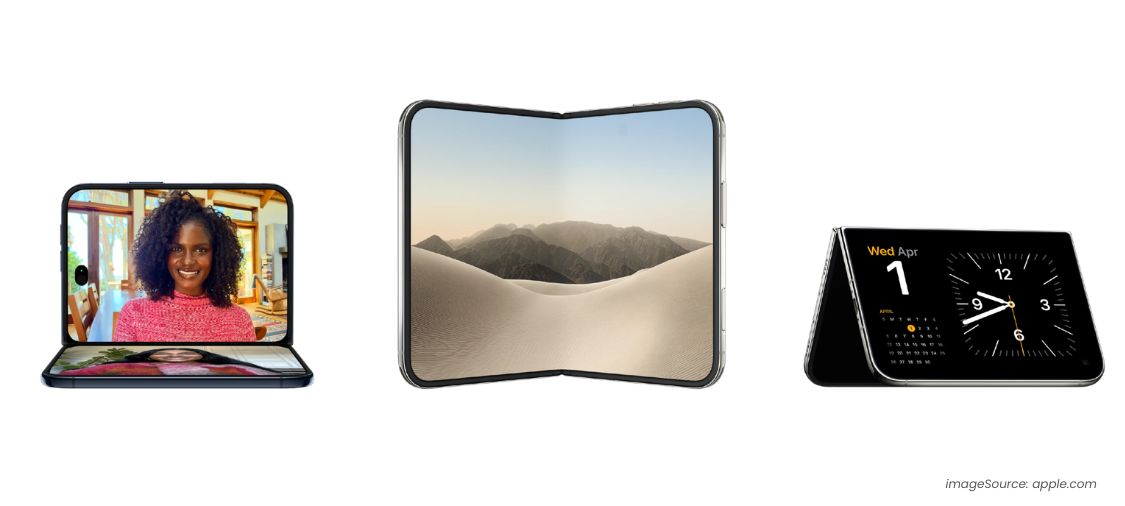
Split View multitasking, a posable design that stands up in tent, laptop, and standing modes without a case or stand, and camera features built specifically around having two screens — Duo Preview lets your subject see themselves while you’re filming, Kid Cue uses the outer screen to get a child’s attention for photos. This is Apple’s first real attempt at software designed around folding, rather than a stretched version of standard iOS running on a bigger canvas.
Where It Actually Falls Behind?
Apple’s marketing will tell you one story. Here’s the other half of it.
- No Physical SIM — Even Where Competitors Still Offer One
iPhone Duo is eSIM-only worldwide, like the rest of the 2026 iPhone lineup. The Galaxy Z Fold 8 still supports a physical SIM in most markets alongside eSIM. For Bangladesh, where eSIM support and switching habits still vary a lot by carrier, this is a real point of friction, not just a footnote in a spec sheet.
- No Telephoto Lens
The Duo’s 48MP Dual Fusion system covers Main and Ultra Wide only, with up to 2x optical-quality zoom. The Galaxy Z Fold 8 ships with a dedicated telephoto lens (3x optical) and a much higher-resolution 200MP main sensor. If camera reach and fine detail matter to you, this is Apple’s clearest disadvantage on paper — and it’s a strange one, given how much Apple usually leads on computational photography.
- Heavier Than Its Direct Rival
At roughly 249–254 grams, iPhone Duo is meaningfully heavier than the Galaxy Z Fold 8 (around 201 grams) — a noticeable difference for a device you’re meant to carry all day and hold open for long stretches while reading or watching something.
- Costs More Than the Category Leader
iPhone Duo starts at $1,999 globally — about $100 more than the Galaxy Z Fold 8’s $1,899.99 starting price — for a first-generation product entering a market Samsung has spent eight hardware cycles optimizing. Apple is charging a premium to be new, not to be cheaper.
- Software Maturity Is Still Unproven
Samsung’s Android foldables have years of refined split-screen multitasking, a taskbar, and Samsung DeX for a genuine desktop-like experience when connected to a monitor. Apple’s Split View and posable-mode software are brand new — version one. It may well turn out to be excellent, but there’s no multi-year track record behind it the way there is with Samsung’s approach. And independent reviewers won’t have real answers on long-term hinge and crease durability until units have actually been folded thousands of times in daily use over many months — not just in a launch-week hands-on.
What the Big Tech Reviewers Actually Said?
Spec sheets only go so far — here’s what two of the most-watched tech reviewers on the planet noted after going hands-on with the Duo at Apple’s launch event.
Marques Brownlee (MKBHD) posted his first-day impressions and then followed up a few days later with “iPhone Duo: What We Missed!” — a video he was careful to frame as additional thoughts, not a full review. He came away genuinely impressed with the hardware: he compared the unfolded 7.6-inch display to an iPad Mini in size, and said the phone “mogged” Samsung’s current foldable lineup on a few “quality of life” details Apple clearly sweated over. Like most reviewers at the event, he flagged the crease as something worth watching — noticeably better-hidden than on Android foldables he’s used, but not fully invisible under every lighting condition, something only extended daily use will really settle.
Mrwhosetheboss (Arun Maini) posted his own hands-on, “iPhone Duo/18 Pro Hands On – I wasn’t ready”, which went on to become one of the most-watched pieces of hands-on coverage from the entire launch — pulling in over 13 million views, more than almost any other creator’s first-look video for this generation of iPhones. That level of attention says a lot on its own: whatever your final verdict on the Duo, Apple’s first foldable is clearly the device people are most curious to see in someone’s actual hands rather than on a keynote stage.
Worth being upfront about: both of these are launch-day and launch-week hands-on impressions, not long-term reviews. Neither creator had the device for more than a few hours before filming, so neither could speak to real hinge wear, battery degradation, or how the crease holds up after months of daily folding — which is exactly the kind of long-term verdict this article flagged as still missing above.
iPhone Duo vs Samsung Galaxy Z Fold 8 — Side by Side
There’s no previous-generation iPhone Duo to compare against — this is Apple’s first attempt at the category. The comparison that actually matters is against the phone this competes with directly:
| Feature | 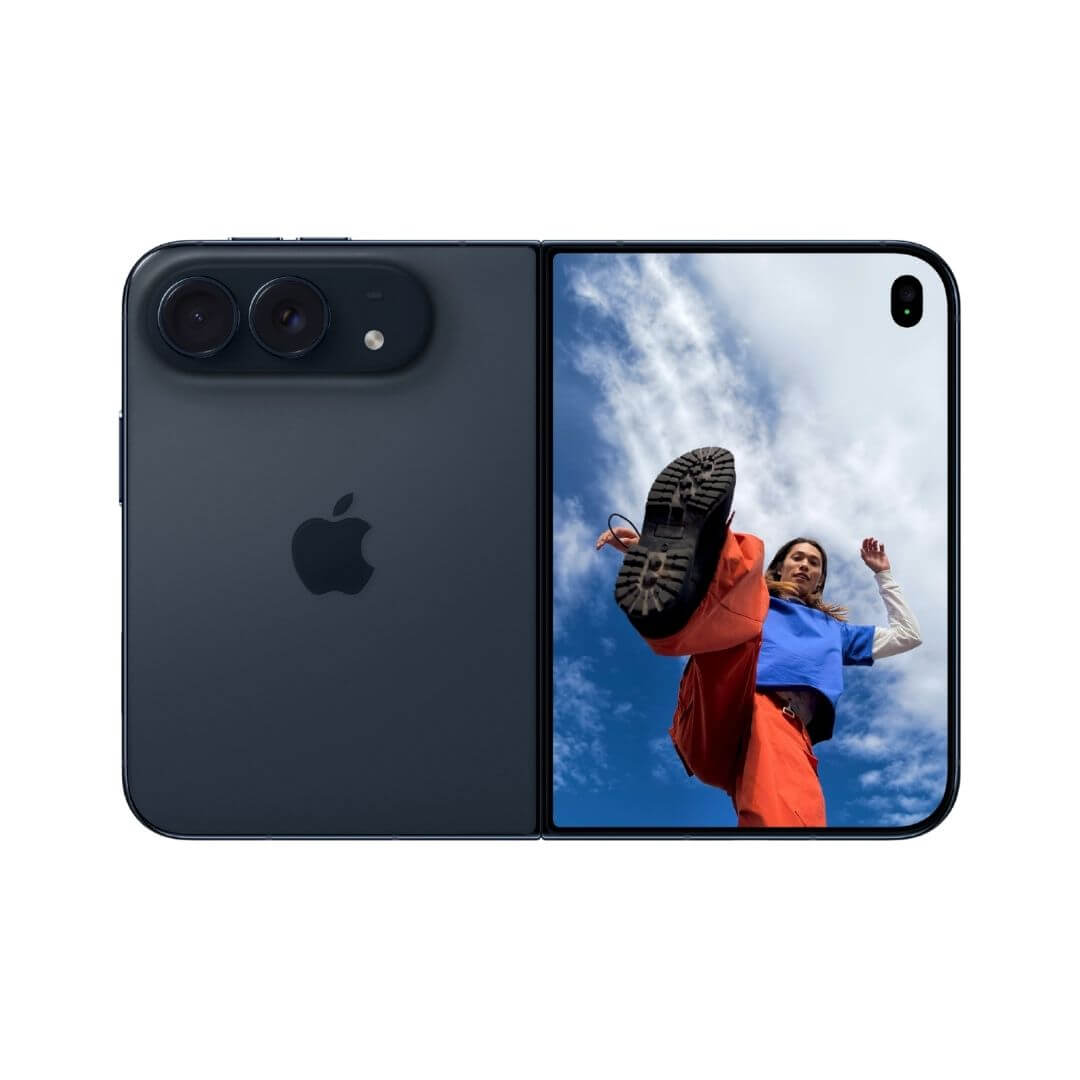 iPhone Duo iPhone Duo | 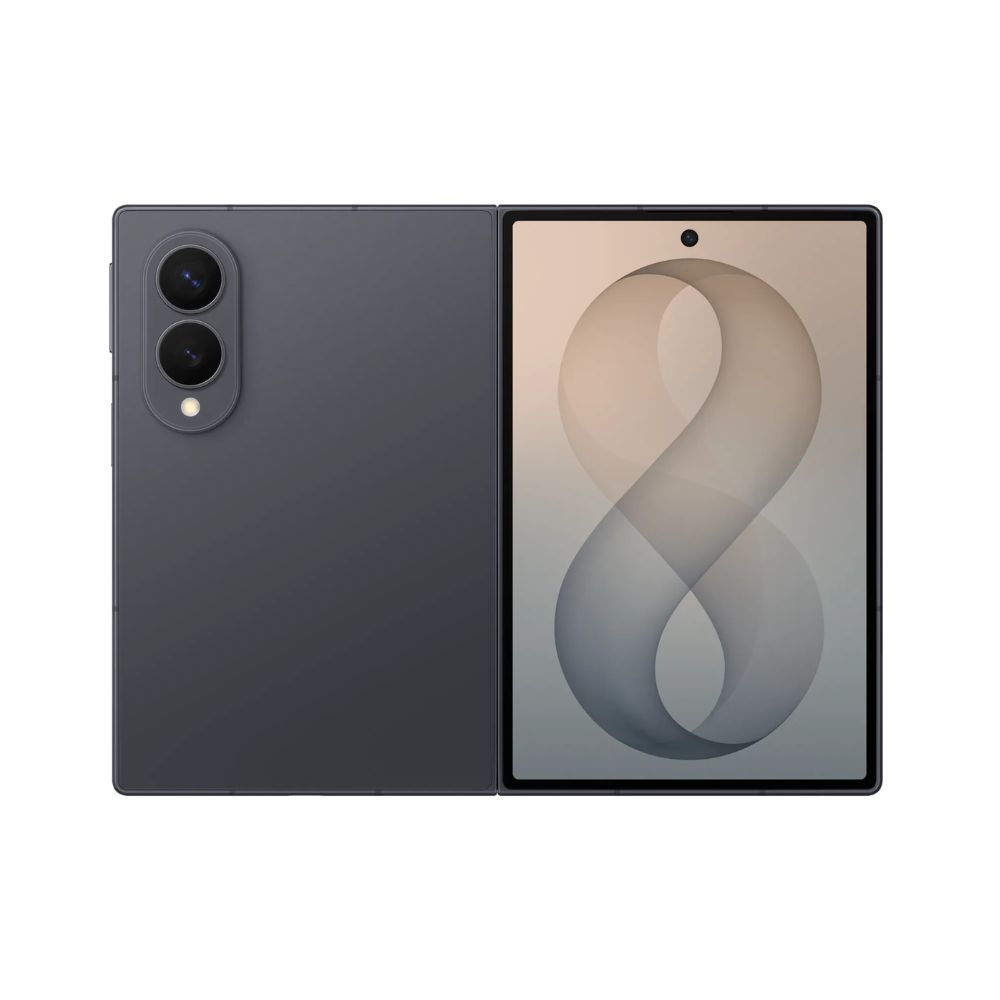 |
| Water/dust resistance | IP68 | IP48 (no dust protection) |
| Build | Grade 5 titanium frame & hinge | Dual-layer titanium hinge structure |
| Weight | ~249–254g | ~201g |
| Rear camera | 48MP Main + 48MP Ultra Wide, 2x zoom, no telephoto | 200MP Main + 50MP Ultra Wide + telephoto, 3x optical zoom |
| SIM | eSIM only | Physical SIM + eSIM (most markets) |
| Multitasking | Split View (new, first-gen) | Multi-window, taskbar, Samsung DeX (mature, years of refinement) |
| Stylus support | Apple Pencil (USB-C), coming later this year | S Pen support (established) |
| Front camera (inner) | Under-display, no visible cutout | Visible cutout in most models |
| Ecosystem | iMessage, FaceTime, iCloud, Continuity | Android, Samsung ecosystem, Google services |
| Starting price (global) | $1,999 | $1,899.99 |
The takeaway: Apple wins clearly on durability rating and build materials, and wins on ecosystem integration if you’re already deep in Apple’s world. Samsung wins clearly on camera hardware, multitasking maturity, physical SIM support, and weight — and costs less doing it. Neither is a bad phone. They’re built around different priorities, and Apple did not simply out-spec Samsung across the board on its first try — which, honestly, would have been a strange thing to expect from a first-generation product entering a category a rival has spent eight years refining.
So, Who Should Actually Buy iPhone Duo?
It’s a good fit if you:
- Are already committed to iMessage, FaceTime, iCloud, and the Apple ecosystem, and don’t want to give that up just to get a foldable
- Want the most durable foldable on the market today — IP68 matters more to you than camera reach
- Want a genuinely large screen for reading, note-taking, streaming, and light productivity, without carrying a separate tablet
- Are comfortable being an early adopter of Apple’s first attempt at a category, understanding that crease and hinge longevity claims haven’t been independently proven over years yet
It’s probably not the right fit if you:
- Want the best possible camera in a foldable — the Fold 8’s telephoto lens and higher-resolution sensor are the stronger choice
- Need a physical SIM slot, or your carrier setup makes eSIM-only genuinely inconvenient
- Want mature, years-refined split-screen multitasking or a desktop-like mode (Samsung DeX) for real productivity work
- Are price-sensitive — the Galaxy Z Fold 8 offers a broadly comparable device for about $100 less
- Want a lighter foldable to hold open for long stretches — the Fold 8 is roughly 50 grams lighter
Our Take
Apple didn’t rush the foldable category, and it shows in the places that were always Apple’s to control — build quality, durability rating, and a genuinely thought-through take on what software should do differently when a phone folds open into a tablet. What Apple didn’t automatically inherit is Samsung’s seven-year head start on the actual hardware arms race (camera, weight) or the years of iterative software polish that come from shipping eight generations of the same idea.
If you buy an iPhone Duo, you’re not buying “the best foldable, period.” You’re buying the most durable, most Apple-native foldable available right now — and betting that Apple’s first attempt at the software side catches up to Samsung’s eighth. For a lot of buyers in Bangladesh already living inside iMessage and iCloud, that bet is an easy one to make. For buyers coming from Android who just want the single best foldable spec sheet for the money, the Galaxy Z Fold 8 is still the more complete phone today.
Where to Buy iPhone Duo in Bangladesh?
If you’ve decided the Duo is the right foldable for you, the next question is simple: where do you actually buy iPhone Duo in Bangladesh without overpaying or risking an unregistered IMEI?
Diamu will carry iPhone Duo in Bangladesh with genuine, official store sourced units, and local warranty support — check current iPhone Duo availability and pricing at Diamu before you commit to a pre-order deposit anywhere else.
A few other established names also sell Apple devices in Bangladesh and are worth comparing prices with once local iPhone Duo stock lands:
- Star Tech — one of Bangladesh’s largest electronics retailers.
- Pickaboo — online marketplace with Apple product listing and nationwide delivery
- Gadget & Gear — long-running Apple reseller known for iPhone pre-order campaigns
- Ryans Computers — nationwide electronics chain with in-store Apple displays across major cities




Great breakdown! Comparing the iPhone Duo directly with the Galaxy Z Fold 8—especially highlighting practical differences like IP68 water resistance versus camera trade-offs and eSIM support—gives a really clear picture for prospective buyers.
Thank you for sharing such a balanced and detailed review
Regard Unissula